

With the rising cost of living in the United States, many households are actively looking for ways on how to save money on groceries specially while grocery shopping is one of the best places to start. Since food is a recurring expense, even small improvements in shopping habits can lead to significant long term savings.
For the average American family, grocery costs can easily run into hundreds of dollars per month. The good news? Learning how to save money on groceries doesn’t require extreme couponing or sacrificing quality, just smarter decisions.
⭐ Featured: How to Save Money on Groceries in the U.S.

How to save money on groceries:
- Plan meals before placing an order
- Shop with a list to avoid impulse purchase
- Buy stock items like rice, beans, and frozen food in bulk
- Use store offers and digital coupons
- Compare products across stores
- Store food properly in the fridge
- Reduce waste and reuse leftovers
- Look closely on Food Costs.
These strategies help American customers reduce grocery spending while maintaining good quality meals.
Why Grocery Bills Are So High in the U.S.
Grocery prices in the U.S. have increased due to inflation, supply chain issues, and rising demand. Many customers also overspend due to convenience shopping, frequent small trips, and buying unnecessary items.
Understanding these patterns is the first step toward saving money.
1. Plan Meals Like a Budgeting Pro
Meal planning is one of the most effective ways to reduce unnecessary purchase decisions. Before heading to the store or placing an online order, check what’s already in the fridge.
2. Always Use a Grocery List
A list keeps customers focused and prevents buying extra products. This simple habit can cut grocery bills by a noticeable margin.
3. Set a Weekly Grocery Budget
Setting a fixed budget helps control spending and improves overall financial discipline. Tracking every purchase over time builds smarter habits.
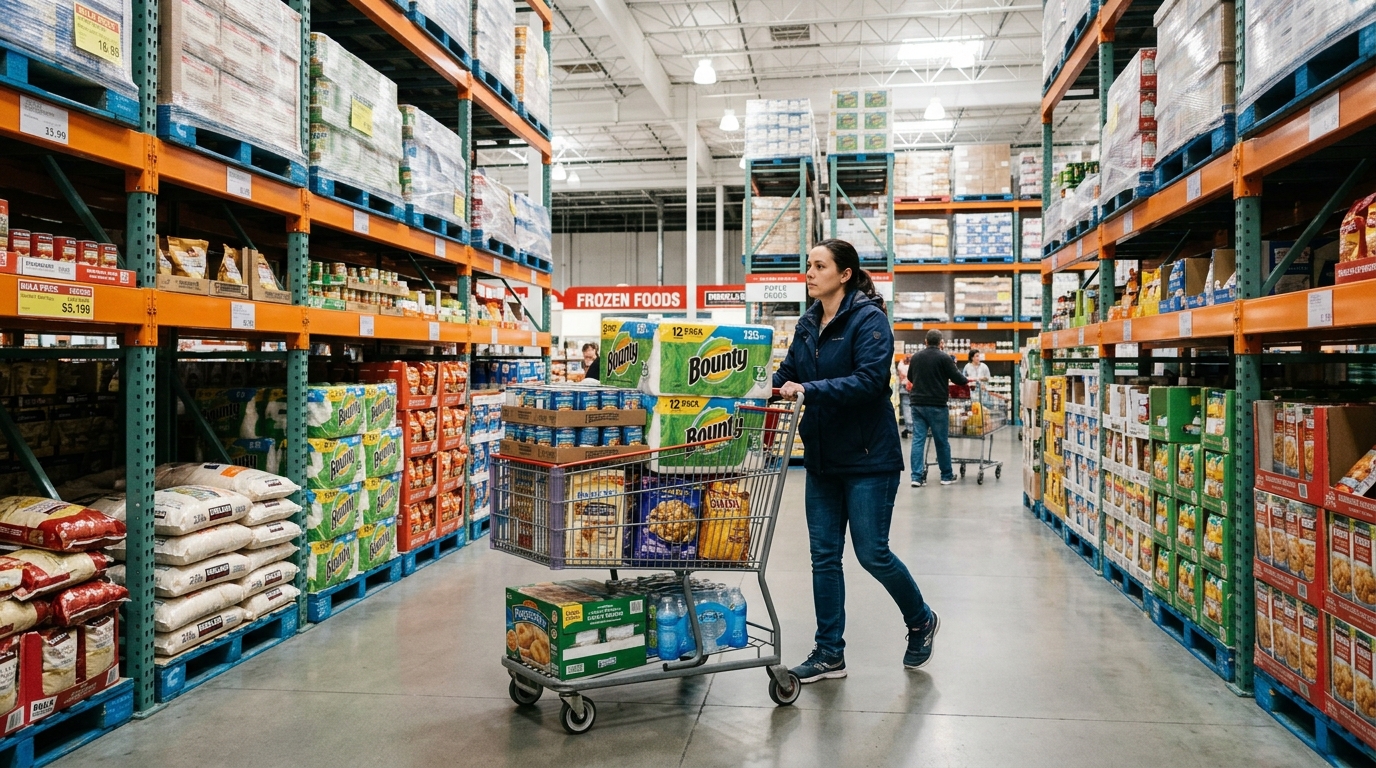
4. Buy in Bulk for Better Value
Buying stock items like pasta, canned goods, and frozen food in bulk reduces cost per unit, especially during periods of high demand.
5. Take Advantage of Coupons and Store Offers
Most U.S. grocery chains offer digital coupons and weekly offers. Smart customers combine these with loyalty programs for maximum savings or start your side hustles to earn that extra buck.
6. Compare Prices Across Stores
Not all stores price their products the same. Discount chains, warehouse clubs, and online platforms often offer better deals on the same items.
7. Choose Store Brands Over Name Brands
Store-brand products often match national brands in quality but come at a lower price. Many receive strong reviews from everyday customers.
8. Don’t Shop Hungry
Shopping while hungry leads to impulse purchase behavior, especially for snacks and convenience food.
9. Use Cashback and Rewards Apps
Apps and grocery services in the U.S. offer cashback, rewards, and savings opportunities that add up over time.

10. Buy Seasonal Produce
Seasonal fruits and vegetables are more fresher, affordable, and widely available across U.S. markets.
11. Store Food Properly
Using the fridge and freezer correctly helps maintain food fresher quality and reduces waste, one of the biggest hidden costs in grocery spending.
12. Cut Back on Processed Foods
Processed products are often more expensive. Buying raw items in a pack and cooking at home saves both money and improves nutrition.
13. Try Online Grocery Shopping
Online grocery services in the U.S. offer quick delivery options. Many include easy returns guarantee, making them convenient for busy households.
14. Reduce Food Waste
Throwing away unused food wastes money. Planning portions and using leftovers efficiently can make a big difference.
15. Stay Consistent With Your Strategy
Consistency is key. Over a few days and weeks, small savings compound into meaningful financial gains.
Final Thoughts
Learning how to save money on groceries is one of the smartest financial moves for any American family. With the right approach, planning, budgeting, and smart shopping, customers can significantly reduce costs without sacrificing quality or convenience.
By applying these strategies consistently, households can enjoy great products, better financial stability, and long-term savings.
